poker cheat sheet
Poker Cheat Sheet For Tournament Preflop Spots
A practical poker cheat sheet covering hand strength, position, stack depth, fold equity, ICM, and push-fold decisions.
Search intent
Quick-reference intent for players who want a practical study sheet.
Shareable image
Open the image version of this cheat sheet for sharing, saving, or posting with a link back to JustShove.
Open shareable cheat sheet image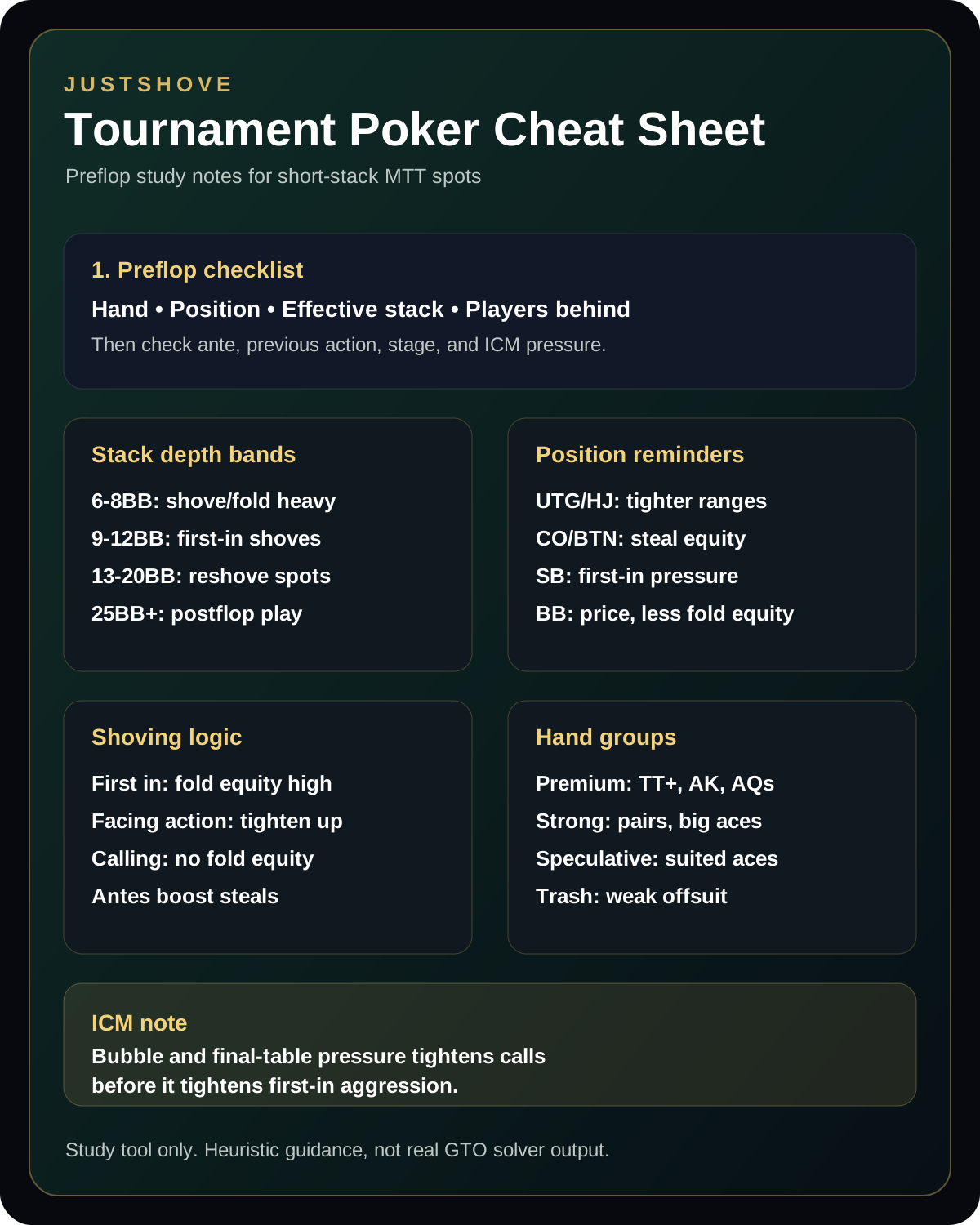
Quick preflop checklist
Before acting, check your hand class, position, effective stack, players left to act, antes, previous action, and tournament stage. A good tournament decision comes from the whole spot, not the two cards alone.
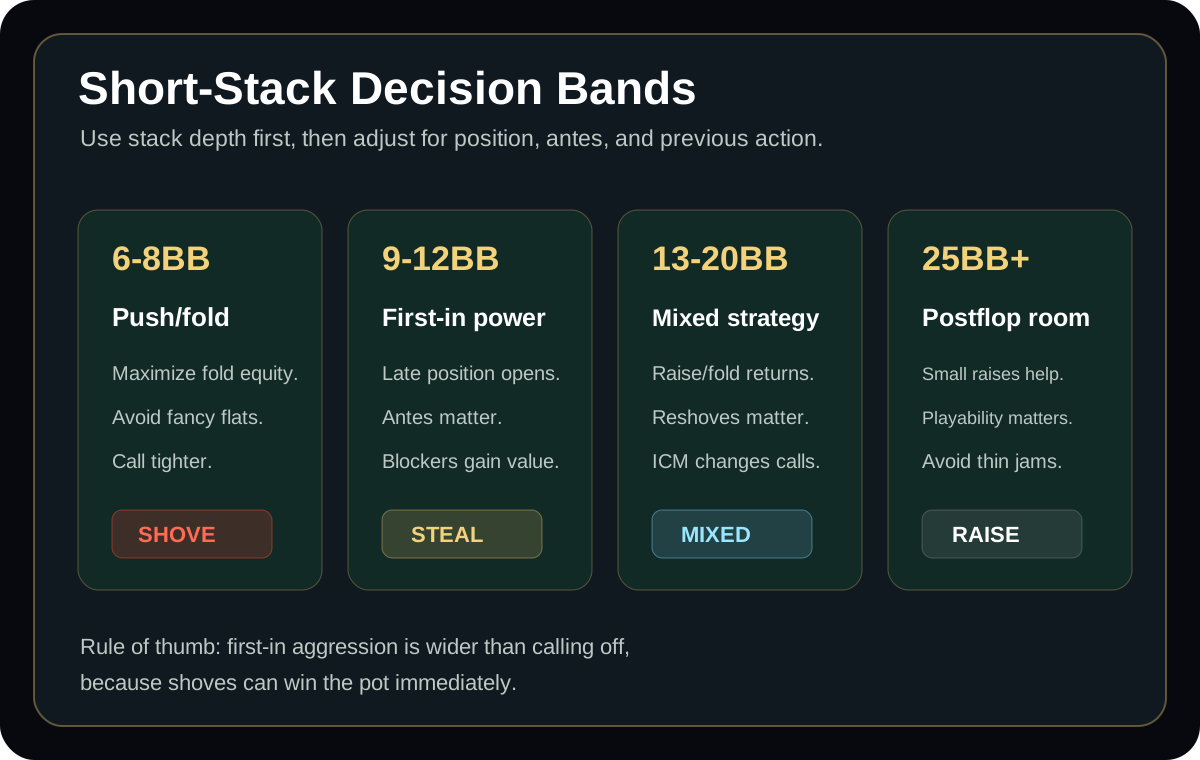
Short-stack cheat sheet
At 12 big blinds or less, first-in aggression becomes powerful because you can win blinds and antes without showdown. Calling all-ins is tighter because you lose fold equity and must rely on raw hand equity.
Stack depth rules of thumb
At 6-8 big blinds, shove-or-fold pressure dominates. At 9-12 big blinds, late-position steals and blocker hands become important. From 13-20 big blinds, reshoves and raise/fold decisions return. At 25 big blinds and deeper, postflop playability matters more.
Position reminders
Earlier positions need stronger ranges because more players can wake up behind. The cutoff and button gain steal equity. The small blind can apply pressure first in, while the big blind often gets a price but has less fold equity.
Hand group reminders
Premium hands can usually continue at any stack depth. Strong pairs, big aces, and broadways depend on action and position. Suited aces and connectors are useful when they combine fold equity, blockers, and reasonable called equity.
ICM and bubble adjustment
Bubble and final-table pressure usually tightens calling ranges before it tightens first-in aggression. Medium stacks should avoid marginal bustout calls, while bigger stacks can often apply pressure to players trying to ladder.
How to use this cheat sheet
Use the cheat sheet as a preflop reminder, then test the exact spot in the calculator. The MVP recommendation is still heuristic, but repeating similar spots helps you build pattern recognition around stack depth and position.